

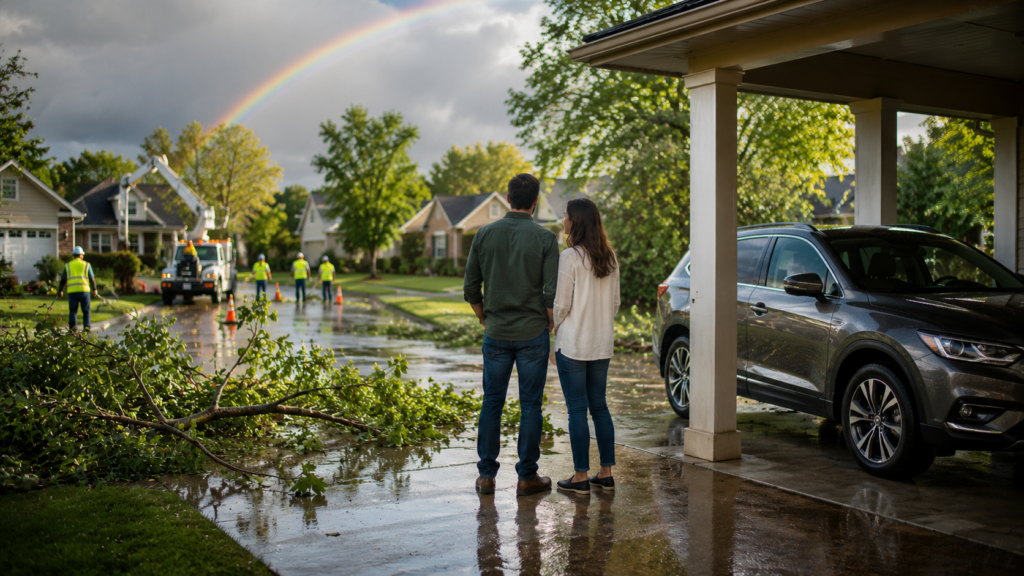
When people think about car insurance, they often focus on accidents involving other vehicles. However, many unexpected events that damage a vehicle happen without a collision. Falling tree branches, severe weather, theft, vandalism, fire, or animal strikes can all result in costly repairs. This is where comprehensive auto insurance may help. Comprehensive coverage is designed…
When people think about car insurance, they often focus on accidents involving other vehicles. However, many unexpected events that damage a vehicle happen without a collision. Falling tree branches, severe weather, theft, vandalism, fire, or animal strikes can all result in costly repairs.
This is where comprehensive auto insurance may help. Comprehensive coverage is designed to provide financial protection for many non-collision events that damage or result in the loss of your vehicle, subject to your policy’s terms, conditions, deductibles, and coverage limits.
This guide explains what comprehensive insurance generally covers, common exclusions, and factors to consider before purchasing coverage.
What Is Comprehensive Insurance?
Comprehensive insurance is an optional type of auto insurance coverage in many situations that helps protect your vehicle from covered events other than collisions with another vehicle or object.
Unlike liability insurance, which primarily covers damage or injuries you may cause to others, comprehensive insurance focuses on damage to your own vehicle resulting from certain non-collision incidents.
Coverage details vary by insurer and policy.
What Does Comprehensive Insurance Typically Cover?
Depending on your policy, comprehensive insurance may help cover damage resulting from events such as:
Theft
If your vehicle is stolen or damaged during an attempted theft, comprehensive coverage may apply according to your policy.
Vandalism
Damage caused by intentional acts, such as broken windows or graffiti, may be covered.
Fire
Vehicle damage caused by fire may be covered if it results from a covered event.
Severe Weather
Coverage may include damage from:
- Hail
- Windstorms
- Hurricanes
- Tornadoes
- Lightning
- Flooding (where covered)
Falling Objects
Examples include:
- Tree branches
- Utility poles
- Construction debris
- Falling ice
Animal Collisions
Damage caused by striking animals such as deer or other wildlife is commonly associated with comprehensive coverage rather than collision coverage.
Glass Damage
Many policies may cover windshield or window damage, although coverage rules and deductibles differ by insurer and state.
What Comprehensive Insurance Usually Does Not Cover
Comprehensive insurance generally does not cover:
- Collision damage from crashes with another vehicle.
- Damage from normal wear and tear.
- Mechanical breakdowns.
- Routine maintenance.
- Tire wear.
- Intentional damage by the policyholder.
- Damage exceeding policy limits.
Always review your specific policy for details.
Comprehensive vs Collision Insurance
Comprehensive Insurance
Generally covers:
- Theft
- Fire
- Weather damage
- Vandalism
- Falling objects
- Animal strikes
Collision Insurance
Generally covers damage resulting from:
- Vehicle-to-vehicle collisions
- Collisions with objects
- Single-vehicle crashes
Many drivers choose both coverages for broader protection.
Who Might Consider Comprehensive Coverage?
Comprehensive insurance may be worth considering if you:
- Own a newer vehicle.
- Finance or lease your vehicle (lenders may require it).
- Live in areas prone to severe weather.
- Park outdoors frequently.
- Live where vehicle theft or wildlife collisions are concerns.
The appropriate coverage depends on your vehicle’s value and personal financial situation.
Factors That Affect Comprehensive Insurance Costs
Premiums may be influenced by:
- Vehicle value
- Location
- Deductible amount
- Claims history
- Driving history
- Local theft rates
- Weather risks
Insurance pricing varies among companies.
Tips Before Purchasing Comprehensive Coverage
Before choosing coverage:
- Compare quotes from multiple insurers.
- Understand your deductible.
- Review policy exclusions.
- Consider your vehicle’s current value.
- Ask about available discounts.
- Review your coverage annually.
Common Mistakes to Avoid
Avoid these common insurance mistakes:
- Assuming comprehensive covers every type of vehicle damage.
- Confusing comprehensive and collision coverage.
- Choosing a deductible without considering your budget.
- Failing to review policy exclusions.
- Keeping comprehensive coverage on a vehicle whose value may no longer justify the cost.
Final Thoughts
Comprehensive insurance helps protect against many non-collision events that can unexpectedly damage your vehicle. While it doesn’t cover every type of loss, it can provide valuable financial protection against theft, severe weather, vandalism, fire, falling objects, and animal strikes.
Understanding what comprehensive insurance typically covers—and what it doesn’t—can help you choose coverage that aligns with your vehicle, budget, and overall insurance needs.
Key Takeaways
- Comprehensive insurance focuses on non-collision vehicle damage.
- Theft, vandalism, weather, fire, and animal strikes are commonly covered.
- Collision damage is generally covered under collision insurance, not comprehensive.
- Deductibles and policy limits affect claim payments.
- Review your policy carefully before purchasing coverage.
Frequently Asked Questions
What is comprehensive auto insurance?
Comprehensive insurance is coverage that generally protects against many non-collision events affecting your vehicle.
Does comprehensive insurance cover theft?
Many comprehensive policies provide coverage for theft or theft-related damage, subject to policy terms and conditions.
Is windshield damage covered?
Some policies include windshield or glass coverage, but coverage details and deductibles vary.
Is comprehensive insurance required?
Requirements vary by jurisdiction and financing arrangements. Some lenders may require comprehensive coverage for financed or leased vehicles.
What is the difference between comprehensive and collision insurance?
Comprehensive generally covers non-collision events, while collision insurance generally covers damage resulting from vehicle crashes.
Comments
Share a useful question, experience or perspective. Keep the discussion respectful and relevant to the article.