

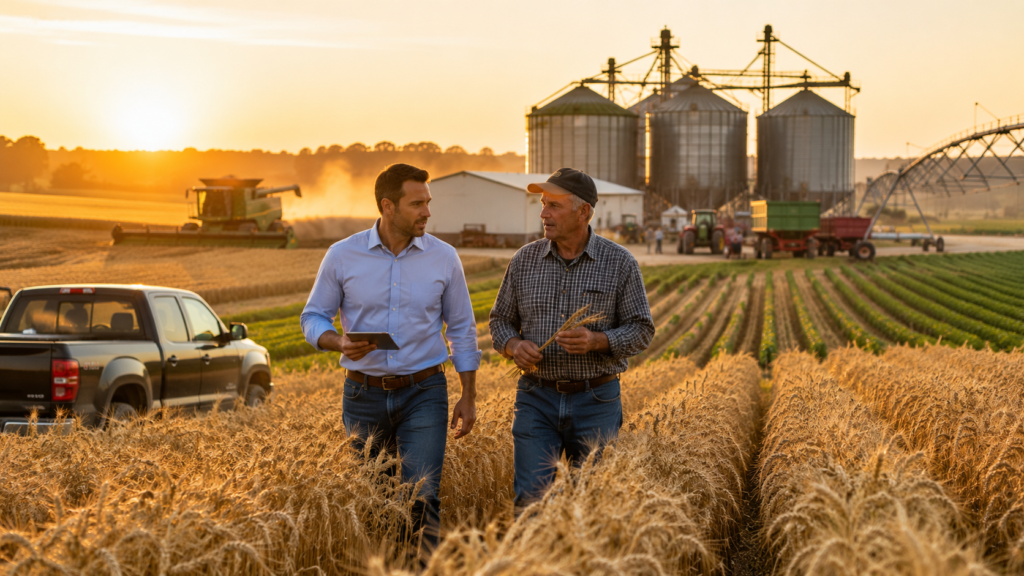
Agricultural commodities play a vital role in the global economy, supplying the raw materials used to produce food, beverages, textiles, biofuels, and animal feed. Every day, billions of people depend on agricultural products such as wheat, corn, soybeans, coffee, cotton, sugar, and cocoa. For investors, agricultural commodities offer an opportunity to diversify a portfolio beyond…
Agricultural commodities play a vital role in the global economy, supplying the raw materials used to produce food, beverages, textiles, biofuels, and animal feed. Every day, billions of people depend on agricultural products such as wheat, corn, soybeans, coffee, cotton, sugar, and cocoa.
For investors, agricultural commodities offer an opportunity to diversify a portfolio beyond traditional assets like stocks and bonds. Their prices are influenced by factors that differ from those affecting financial markets, making them an important asset class for understanding broader economic trends.
This guide explains what agricultural commodities are, how they are traded, what influences their prices, and the potential benefits and risks of investing in them.
What Are Agricultural Commodities?
Agricultural commodities are raw farm products that are grown or raised for commercial use and traded in global markets.
They generally fall into several categories:
Grains
- Wheat
- Corn
- Rice
- Oats
- Barley
Oilseeds
- Soybeans
- Canola
- Sunflower seeds
Soft Commodities
- Coffee
- Cocoa
- Sugar
- Cotton
Livestock
- Cattle
- Hogs
These commodities serve as essential inputs for food production and manufacturing around the world.
How Are Agricultural Commodities Traded?
Agricultural commodities can be traded through several investment vehicles.
Common options include:
- Commodity futures contracts
- Commodity-focused exchange-traded funds (ETFs)
- Mutual funds with commodity exposure
- Shares of agriculture-related companies
- Commodity index funds
Each investment method has different levels of complexity, risk, and accessibility.
What Factors Affect Agricultural Commodity Prices?
Agricultural commodity prices can change quickly due to multiple factors.
Weather Conditions
Droughts, floods, hurricanes, frost, and other extreme weather events may affect crop production and supply.
Supply and Demand
Changes in global consumption, harvest yields, and inventories influence prices.
Government Policies
Trade agreements, tariffs, export restrictions, subsidies, and agricultural regulations may affect markets.
Global Economic Conditions
Economic growth, consumer demand, and international trade activity can influence agricultural markets.
Currency Movements
Because many commodities are priced internationally, exchange rate fluctuations may affect prices and trade competitiveness.
Transportation and Logistics
Shipping costs, port disruptions, and supply chain issues may influence commodity availability.
Popular Agricultural Commodities
Wheat
Used for bread, pasta, cereals, and many food products worldwide.
Corn
Widely used for food, livestock feed, ethanol production, and industrial products.
Soybeans
Important for cooking oil, livestock feed, biodiesel, and processed foods.
Coffee
One of the world’s most actively traded soft commodities.
Cocoa
Essential for chocolate production and food manufacturing.
Cotton
Used extensively in clothing and textile manufacturing.
Sugar
Consumed globally in food and beverage production while also supporting certain biofuel industries.
Benefits of Investing in Agricultural Commodities
Potential advantages include:
- Portfolio diversification
- Exposure to global food demand
- Inflation diversification potential
- Access to international markets
- Opportunity to benefit from long-term population growth trends
Risks of Agricultural Commodity Investing
Agricultural investments also involve risks.
These include:
- Weather-related disruptions
- Price volatility
- Disease affecting crops or livestock
- Government policy changes
- Global trade disruptions
- Currency fluctuations
- Supply chain challenges
Commodity prices can experience significant short-term movements.
Are Agricultural Commodities Suitable for Beginners?
Agricultural commodities may be appropriate for some investors seeking diversification, but they often require an understanding of market dynamics.
Many beginners choose diversified investment products rather than directly trading commodity futures because they may provide broader exposure with a simpler investment structure.
The appropriate investment approach depends on individual financial goals, experience, and risk tolerance.
Tips Before Investing
Before investing:
- Understand the commodity you are investing in.
- Learn how supply and demand affect prices.
- Diversify across multiple asset classes.
- Stay informed about weather and global trade developments.
- Consider your investment horizon.
- Review your portfolio regularly.
Common Mistakes to Avoid
Avoid these common investing mistakes:
- Investing without understanding commodity markets.
- Concentrating too heavily in one commodity.
- Ignoring weather risks.
- Reacting emotionally to short-term price swings.
- Overlooking diversification.
Final Thoughts
Agricultural commodities are an important part of the global economy and offer investors exposure to markets driven by food production, weather, international trade, and population growth. Although these investments can provide diversification benefits, they also carry unique risks that differ from traditional financial assets.
Understanding how agricultural markets operate and maintaining a diversified investment strategy can help investors make more informed decisions when considering this asset class.
Key Takeaways
- Agricultural commodities include grains, oilseeds, soft commodities, and livestock.
- Weather, supply, demand, and global trade significantly influence prices.
- Multiple investment options provide exposure to agricultural markets.
- Commodity investing offers diversification but also carries market risk.
- Understanding agricultural markets is essential before investing.
Frequently Asked Questions
What are agricultural commodities?
Agricultural commodities are raw farm products such as wheat, corn, soybeans, coffee, cotton, sugar, and livestock that are traded in global markets.
Why do agricultural commodity prices change?
Prices fluctuate due to weather conditions, supply and demand, government policies, currency movements, and global economic activity.
Can beginners invest in agricultural commodities?
Yes. Many beginners gain exposure through diversified investment products such as ETFs or mutual funds rather than directly trading futures contracts.
Are agricultural commodities risky?
Like all investments, agricultural commodities involve risks, including price volatility, weather events, and changing market conditions.
Why do investors include agricultural commodities in a portfolio?
Some investors use agricultural commodities to diversify their portfolios and gain exposure to a different asset class than stocks or bonds.
Comments
Share a useful question, experience or perspective. Keep the discussion respectful and relevant to the article.