

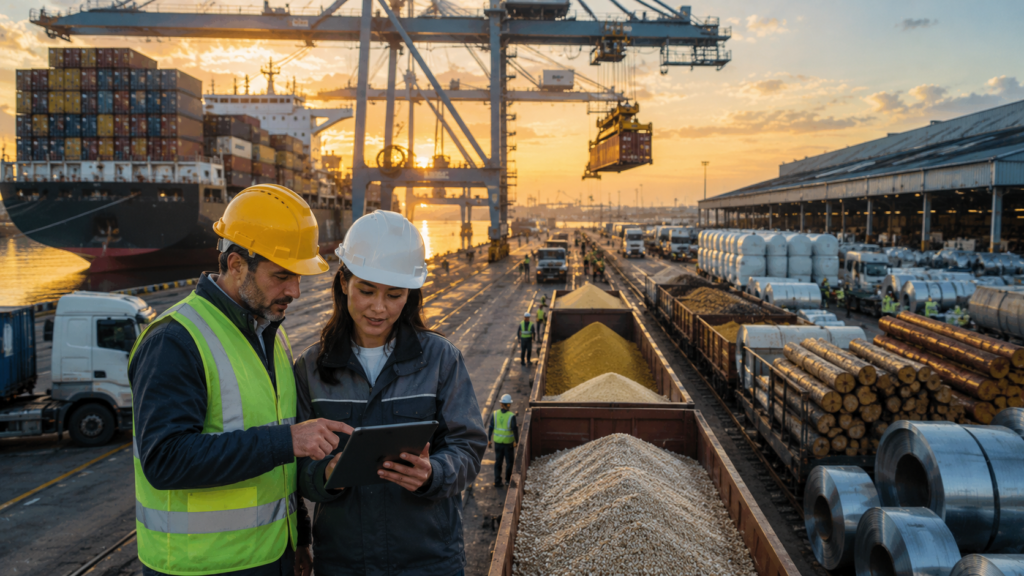
Commodity prices fluctuate every day, affecting everything from gasoline and groceries to construction materials and investment portfolios. Whether it’s crude oil, gold, wheat, coffee, copper, or natural gas, commodity prices are constantly influenced by changes in global supply, demand, economic conditions, and geopolitical events. For investors, understanding why commodity prices change is essential because these…
Commodity prices fluctuate every day, affecting everything from gasoline and groceries to construction materials and investment portfolios. Whether it’s crude oil, gold, wheat, coffee, copper, or natural gas, commodity prices are constantly influenced by changes in global supply, demand, economic conditions, and geopolitical events.
For investors, understanding why commodity prices change is essential because these movements can impact investment returns and broader financial markets.
This guide explains the major factors that influence commodity prices and how these changes affect both consumers and investors.
What Are Commodity Prices?
Commodity prices represent the current market value of raw materials traded globally.
Common commodities include:
- Crude oil
- Natural gas
- Gold
- Silver
- Copper
- Wheat
- Corn
- Coffee
- Cotton
- Sugar
Prices are determined through continuous trading in global commodity markets.
Why Do Commodity Prices Change?
Commodity prices rarely remain constant because markets constantly respond to changing conditions.
Several major factors influence pricing.
Supply and Demand
Supply and demand are among the biggest drivers of commodity prices.
Prices may rise when:
- Demand increases
- Supply decreases
- Production slows
Prices may fall when:
- Supply exceeds demand
- Consumption weakens
- Production increases significantly
Weather Conditions
Agricultural commodities are especially sensitive to weather.
Events such as:
- Droughts
- Floods
- Hurricanes
- Frost
- Heat waves
can affect crop production and influence market prices.
Global Economic Growth
Economic activity influences commodity demand.
During periods of economic expansion:
- Manufacturing may increase.
- Construction activity may rise.
- Energy consumption may grow.
Economic slowdowns can reduce demand for many commodities.
Geopolitical Events
International conflicts, sanctions, trade disputes, and political instability may affect production, transportation, and exports.
Markets often respond quickly to these developments.
Currency Movements
Many commodities are traded internationally using major global currencies.
Exchange rate changes may influence:
- International demand
- Export competitiveness
- Import costs
Transportation and Supply Chains
Shipping delays, labor strikes, port congestion, and transportation disruptions may temporarily affect commodity availability and pricing.
Government Policies
Commodity markets may also respond to:
- Tariffs
- Export restrictions
- Environmental regulations
- Production quotas
- Subsidies
Policy changes can influence both supply and demand.
Examples of Commodity Price Changes
Crude Oil
Prices may respond to:
- Global demand
- Production decisions
- Geopolitical events
- Refinery capacity
Gold
Gold prices may be influenced by:
- Investor sentiment
- Inflation expectations
- Interest rates
- Currency movements
Agricultural Commodities
Prices for wheat, corn, coffee, and soybeans often respond to:
- Harvest conditions
- Weather
- Global food demand
- Export activity
Industrial Metals
Copper and aluminum prices often reflect:
- Construction demand
- Manufacturing activity
- Infrastructure investment
How Commodity Prices Affect Consumers
Commodity price movements influence everyday expenses.
Examples include:
- Fuel prices
- Grocery costs
- Home construction materials
- Clothing prices
- Utility bills
Changes in commodity markets can affect household budgets over time.
How Commodity Prices Affect Investors
Commodity prices may influence:
- Commodity ETFs
- Commodity mutual funds
- Energy company stocks
- Mining companies
- Agricultural businesses
- Inflation expectations
Investors often monitor commodity markets as part of broader economic analysis.
Tips Before Investing in Commodities
Before investing:
- Understand what drives each commodity.
- Diversify your investments.
- Follow global economic developments.
- Consider your investment horizon.
- Review your risk tolerance.
- Avoid reacting to short-term market headlines.
Common Mistakes to Avoid
Avoid these common investing mistakes:
- Assuming commodity prices always move together.
- Ignoring global events.
- Overlooking weather risks.
- Investing without diversification.
- Making emotional investment decisions.
Final Thoughts
Commodity prices are constantly changing as markets respond to supply, demand, weather, economic growth, geopolitical developments, and government policies. Understanding these factors helps investors better evaluate commodity investments and recognize how commodity markets influence the broader economy.
Rather than focusing on short-term price swings, long-term investors often benefit from understanding the underlying forces that drive commodity markets over time.
Key Takeaways
- Commodity prices fluctuate daily.
- Supply and demand remain major pricing factors.
- Weather and global events significantly influence many commodities.
- Commodity prices affect both consumers and investors.
- Diversification can help manage investment risk.
Frequently Asked Questions
Why do commodity prices change every day?
Commodity prices respond continuously to changes in supply, demand, economic conditions, weather, and global events.
What affects oil prices?
Oil prices are influenced by production levels, global demand, geopolitical developments, transportation, and refinery activity.
Why does weather affect commodity prices?
Weather can impact crop production, reducing or increasing supply and influencing agricultural commodity prices.
Do commodity prices affect inflation?
Commodity prices can influence the cost of goods and services, which may contribute to broader inflation trends.
Can beginners invest in commodities?
Many beginners gain commodity exposure through diversified ETFs or mutual funds rather than directly trading commodity futures.
Comments
Share a useful question, experience or perspective. Keep the discussion respectful and relevant to the article.